Water report directory / NY
New York City water guide.
Reservoir sources, variable blends and building plumbing.
The water profile.
NYC DEP’s current drinking-water guidance
| What to look at | Utility information |
|---|---|
| Source | Catskill, Delaware and Croton reservoir systems |
| Disinfection | A chlorine residual is maintained in the distribution system |
| Hardness | DEP cites a citywide average of about 1.8 grains per gallon as CaCO₃ |
| Blended areas | DEP says hardness can reach 7 grains per gallon where supplies blend |
The source can change the character.
NYC DEP describes Catskill/Delaware water as soft or slightly hard, and Croton water as moderately hard. Neighborhoods may receive a blend. The utility connects differences in taste to geology, soil and naturally occurring minerals in the watersheds.
Check DEP’s current distribution information when comparing the water in different neighborhoods. The citywide average does not replace the source information for a particular area.
Keep building questions separate.
For a question about lead, start with the service line and the building’s plumbing information, alongside the utility report. For a sudden change in taste or appearance, report the address and timing to DEP.
In your project notes, record the building, supplier, current source information and the particular concern. This gives the designer and installer a clearer starting point than a citywide description alone.
Find your supplier.
For addresses served by New York City Department of Environmental Protection, begin with the supplier’s published information. Confirm the supplier on your bill, especially if you live outside the city’s direct service area.
Keep the context with the figures.
The reporting period, current distribution information and any guidance relevant to your building’s plumbing.
Read the ranges, sampling dates and footnotes alongside the results to understand the water supplied to your area.
For a question about your tap.
A change in taste, color or odor is a reason to contact your supplier with the details. Ask about any current advisories and the right testing method for a specific concern.
For a treatment project, keep your report and any tap-water test results together so you can discuss the right system for your home.
Bring it into the project.
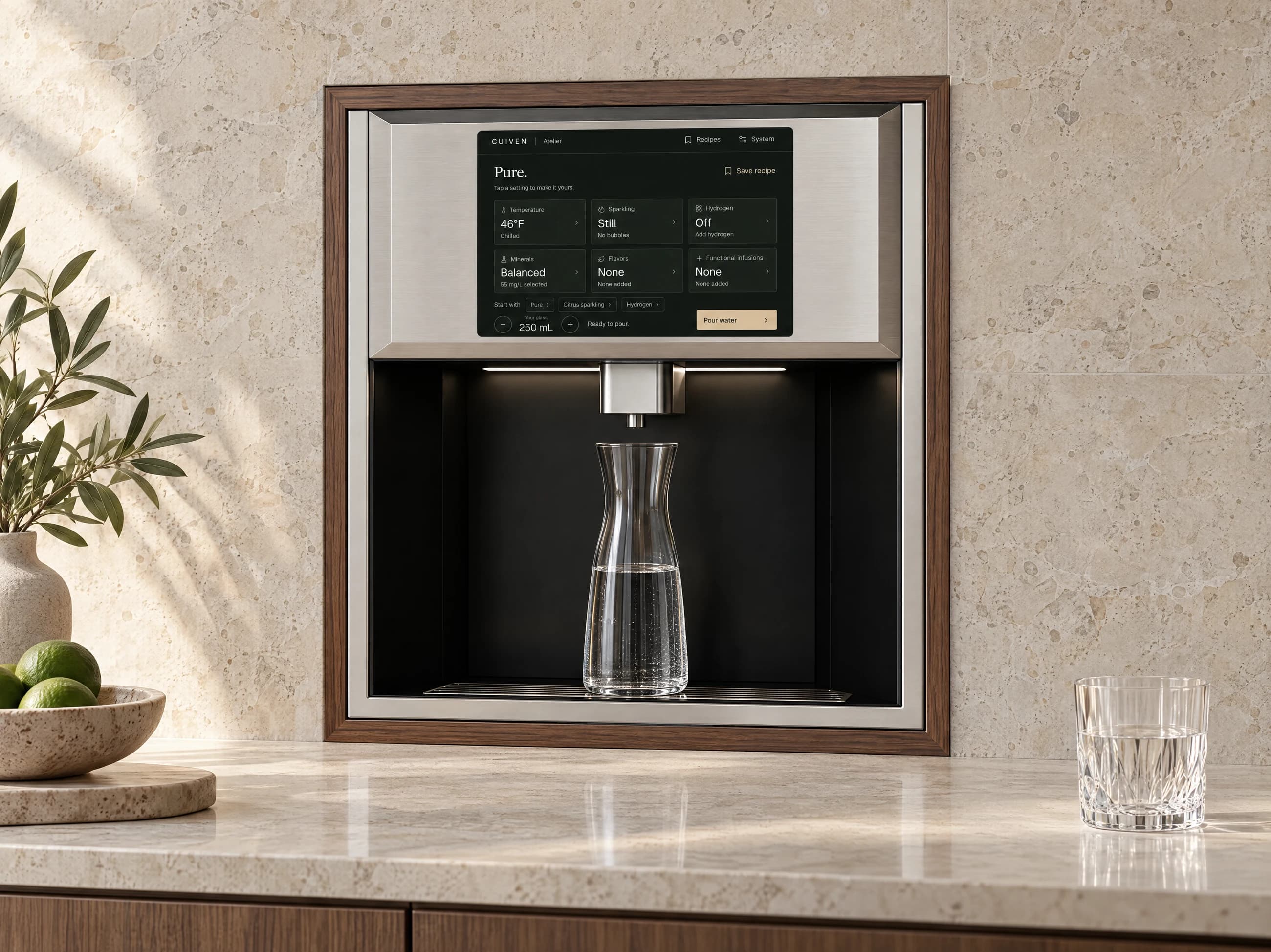
Keep the report with the installation information: the address, available utilities and what you want from the water experience. For Atelier, that discussion also includes the dispenser location and nearby equipment space.